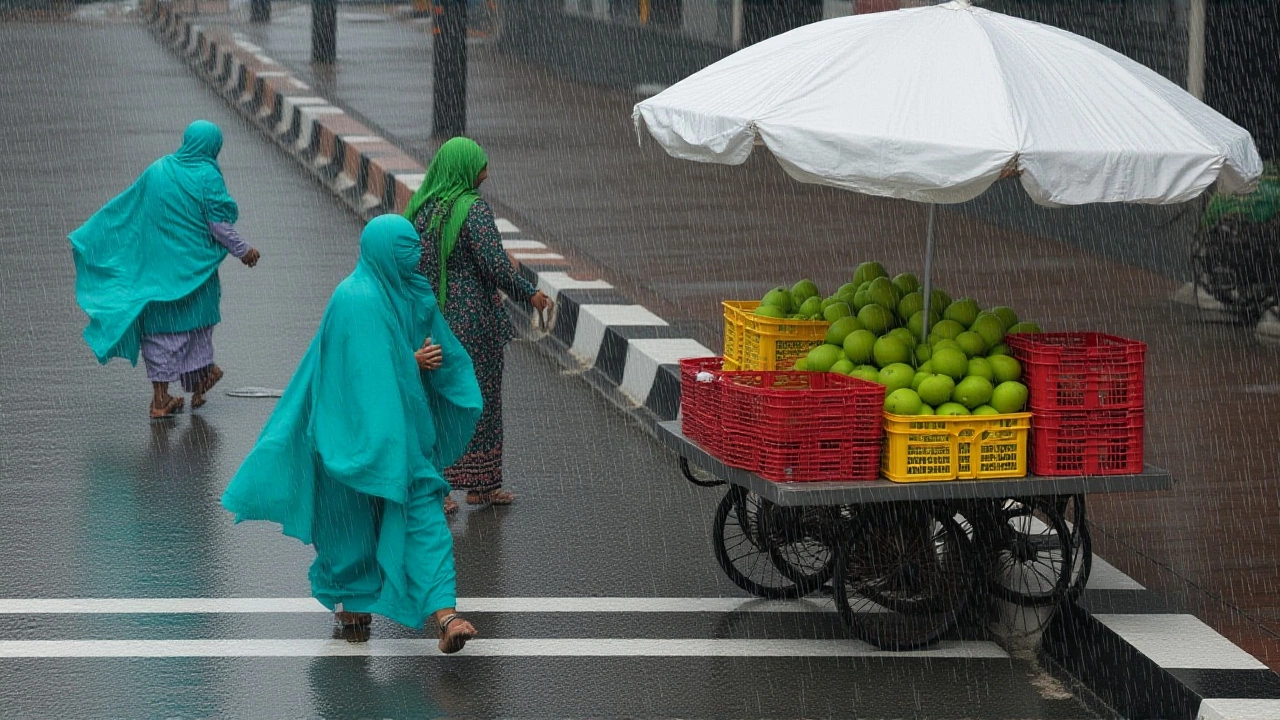
It’s getting dangerously hot in northern India. Haryana is currently under an official orange alert for a severe heatwave, with temperatures soaring past the 100°F mark across multiple districts. Residents are facing a brutal combination of scorching sun, bone-dry air, and hazardous pollution levels that health experts warn could be life-threatening for vulnerable groups.
The warning isn't just a suggestion; it's a response to real-time data showing conditions that defy comfort and safety standards. While the broader region—including neighbors like Delhi, Uttar Pradesh, and even distant states like Assam—is grappling with shifting weather patterns, Haryana is taking the brunt of this dry, intense heat dome.
Record-Breaking Temperatures Across Districts
Let’s look at the numbers, because they’re staggering. Real-time weather data from services like WeatherBug show current temperatures hovering around 97°F (36°C) in central areas, but the forecast highs are where things get scary. We’re looking at predicted peaks of 108°F to 109°F (42-43°C) over the next 24 hours.
But it’s not uniform. A regional radar snapshot reveals a patchwork of extreme heat. In Hansi, thermometers hit a blistering 111°F (44°C). Bhiwani and Faridabad also reported 110°F (43°C). Even major hubs like Gurgaon and Hisar aren’t spared, sitting at 109°F (43°C).
Here’s the thing about this heat: it’s dry. Humidity levels have plummeted to single digits in some areas—around 7% to 8%. Normally, low humidity helps us cool down through sweat evaporation. But when the ambient temperature is above 100°F, that relief vanishes. Your body struggles to regulate its core temperature, leading to rapid dehydration and heat exhaustion.
The Double Threat: Heat and Smog
If the temperature wasn’t enough, there’s another layer to this crisis. Air quality. Data from AccuWeather for Karnal describes conditions as "very unhealthy." The agency issued a stark advisory: "Health effects will be immediately felt by sensitive groups and should avoid outdoor activity."
This is a critical detail often overlooked in heat reports. High temperatures accelerate the formation of ground-level ozone, especially when combined with stagnant air and residual particulate matter. In Karnal, the "RealFeel" temperature matched the actual air temp at 93°F, meaning there was no breeze or shade offering any respite. Wind speeds were light, averaging just 4-12 mph from the northwest, doing little to disperse pollutants.
For anyone with asthma, heart conditions, or respiratory issues, stepping outside right now is akin to running a marathon in a sauna filled with smoke. The UV Index is also rated "Very High" at 9, adding skin cancer risk to the list of immediate dangers.
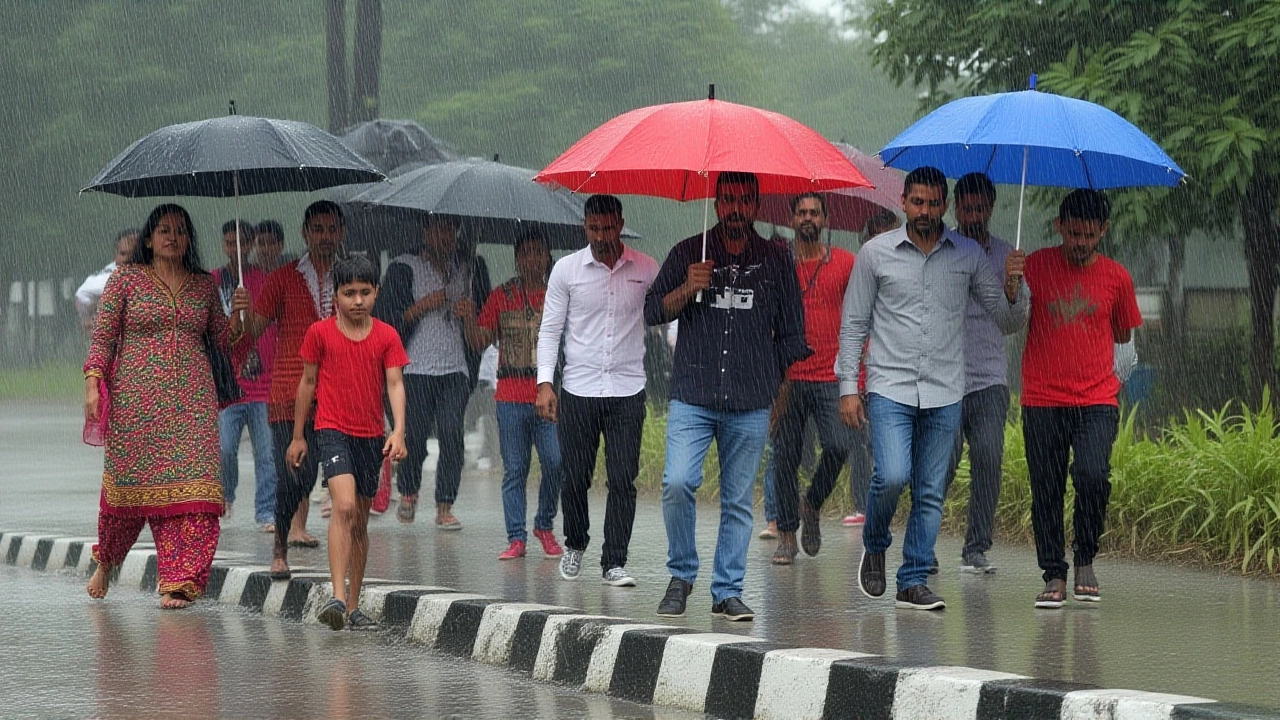
What Does an 'Orange Alert' Mean?
In meteorological terms, alerts are color-coded to indicate severity. An orange alert signifies a high level of threat. It means:
- Extreme Danger: Prolonged exposure can lead to heatstroke, which is a medical emergency.
- Infrastructure Strain: Power grids may face overload due to AC usage; roads can soften or buckle.
- Agricultural Impact: Crops suffer from heat stress, reducing yields and increasing water demand.
While specific government agencies weren’t named in the initial video metadata triggering this report, the consistency of data across platforms like The Weather Network and local trackers like Haryana21 confirms the widespread nature of the event. State-level summaries show minimum temperatures staying stubbornly high at 34.19°C (93.5°F), meaning there’s no cool-down period at night. Your body never gets a chance to recover.
Who Is Most at Risk?
This isn’t just uncomfortable weather; it’s a public health issue. The most vulnerable populations include:
- Outdoor Workers: Construction laborers, farmers, and delivery personnel working during peak hours (10 AM - 4 PM).
- Elderly and Children: Their bodies regulate temperature less efficiently.
- Pet Owners: Animals can overheat quickly, especially those left in vehicles or on concrete surfaces.
Experts recommend staying indoors during peak heat hours, drinking water before you feel thirsty, and checking on neighbors who live alone. If you must go out, wear light-colored, loose-fitting clothing and seek shade whenever possible.
Looking Ahead: Will It Cool Down?
Short-term forecasts don’t offer much hope for immediate relief. Tomorrow’s outlook remains "Sunny" with highs expected to stay near 109°F. The diurnal range—the difference between day and night temps—is shrinking, which is a hallmark of severe heatwaves. Nighttime lows are forecast to remain around 82°F (28°C), preventing any significant cooling.
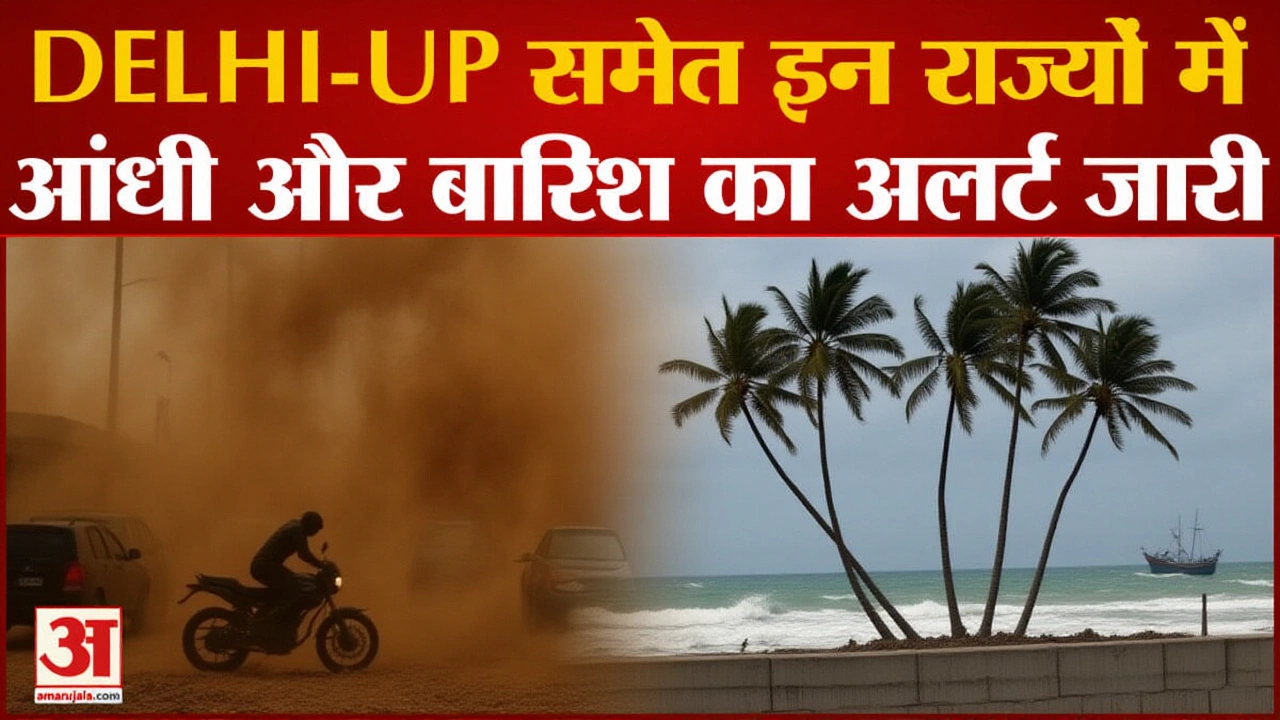
However, weather systems in northern India are volatile. While the current pattern shows persistent northwesterly winds bringing hot air from arid regions, seasonal shifts eventually bring moisture. The mention of "rain" in broader regional tags suggests that monsoon precursors or pre-monsoon showers might be brewing further east in states like Bihar and Meghalaya, but Haryana is currently locked in this dry heat cycle.
Frequently Asked Questions
What does the orange alert mean for residents in Haryana?
An orange alert indicates a high-risk situation where prolonged exposure to heat can cause serious health issues like heatstroke. Residents are advised to limit outdoor activities, especially between 10 AM and 4 PM, stay hydrated, and keep indoor spaces cool. Schools and offices may consider flexible timings to protect employees and students.
Why is the air quality so bad during the heatwave?
High temperatures accelerate chemical reactions in the atmosphere that create ground-level ozone, a key component of smog. Combined with low wind speeds and existing particulate matter from traffic and industry, this leads to "very unhealthy" air quality indices. This mix irritates lungs and exacerbates respiratory conditions like asthma.
Which cities in Haryana are experiencing the highest temperatures?
Recent data shows Hansi recording the highest temperature at 111°F (44°C). Other severely affected areas include Bhiwani and Faridabad at 110°F, while Gurgaon, Hisar, Jind, and Kaithal are all reporting temperatures around 109°F. The heat is widespread, affecting both urban centers and rural districts.
How long is this heatwave expected to last?
Short-range forecasts predict continued extreme heat for at least the next 24-48 hours, with highs remaining near 109°F. Nighttime temperatures will also stay elevated, offering little relief. Meteorologists are monitoring broader regional patterns, including potential rain in neighboring states, but immediate cooling for Haryana is not anticipated in the very short term.
What should I do if someone shows signs of heatstroke?
Heatstroke is a medical emergency. Signs include confusion, slurred speech, hot and dry skin, or loss of consciousness. Immediately move the person to a cooler place, apply cool wet cloths, and call emergency services. Do not give them fluids if they are unconscious. Quick action is critical to prevent organ damage or death.