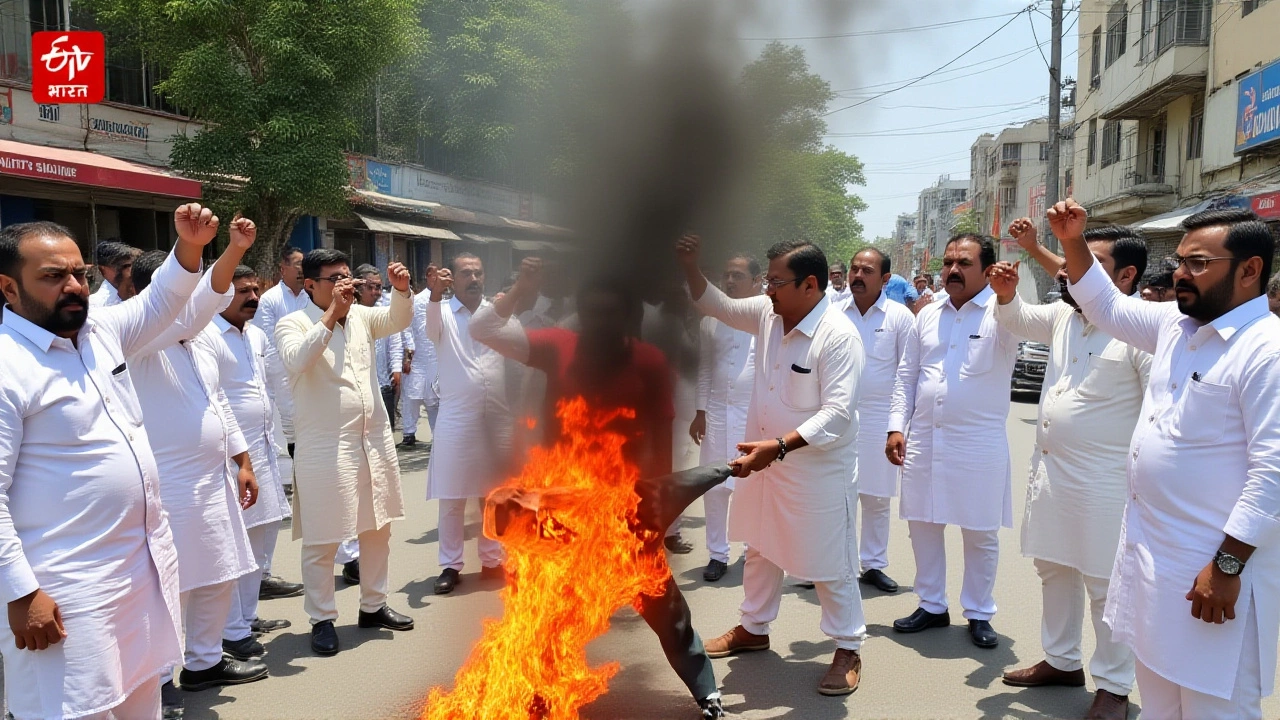
The political temperature in Indore, Madhya Pradesh, spiked sharply this week as a verbal duel between two of India’s most prominent political figures dominated the headlines. It wasn’t a policy debate or an economic forecast—it was raw, personal, and deeply symbolic.
Usha Thakur, Minister in the Madhya Pradesh Government, launched a scathing counterattack against Rahul Gandhi, Senior Leader of the Indian National Congress. The trigger? Gandhi’s controversial reference to his opponents as a “cockroach party,” coupled with his bold claim that Prime Minister Narendra Modi could be removed from office within a year.
Here’s the thing: Indian politics rarely stays quiet for long, but this exchange cuts deeper than usual. It highlights the intensifying polarization ahead of crucial state elections and reflects how personal attacks are becoming the currency of national discourse. For voters in Madhya Pradesh, a key battleground state, these words aren’t just noise—they signal the tone of the upcoming campaign.
The ‘Mungerilal’ Counter-Punch
Thakur didn’t mince words. Responding to Gandhi’s assertion that Modi would be ousted within 12 months, she invoked a classic Hindi cultural reference. “No one can stop Mungerilal from dreaming beautiful dreams,” she said, quoting a popular idiom about unrealistic fantasies.
It was a sharp, culturally resonant dig. By comparing Gandhi’s prediction to the daydreams of Mungerilal—a character known for living in a fantasy world—Thakur dismissed the Congress leader’s timeline as not just wrong, but delusional. The remark landed hard because it bypassed complex political analysis and struck at credibility. In a country where cultural idioms carry immense weight, framing an opponent’s promise as a childish dream is a potent rhetorical move.
But wait, there’s more. Thakur also addressed the “cockroach” comment directly. While Gandhi used the term to describe what he sees as the resilience (or perhaps persistence) of his rivals, Thakur flipped the narrative. She accused the Congress of killing democracy for selfish gains, a serious charge in a nation that prides itself on its democratic institutions.
Constitution Day Context Adds Weight
This clash didn’t happen in a vacuum. Thakur made her remarks during a program marking Constitution Day in Indore. Choosing this specific date amplifies the gravity of her accusations. When you accuse a rival party of undermining democracy on the day dedicated to celebrating the nation’s foundational document, you’re raising the stakes significantly.
“Congress has killed democracy for selfish interests,” Thakur stated. This isn’t just an insult; it’s a political indictment. It suggests that the opposition isn’t merely failing to win votes but actively damaging the system. Such claims often resonate with voters who feel disillusioned with traditional political parties, especially if they perceive corruption or inefficiency in governance.
Interestingly, Thakur extended an olive branch wrapped in sarcasm. She welcomed Rahul Gandhi to visit Indore, adding that he should come and “take back common sense.” It’s a dismissive gesture, implying that Gandhi lacks basic understanding or maturity. Yet, by inviting him, she keeps the door open for direct confrontation, which plays well in media cycles.
Why This Matters Beyond the Insults
Let’s look past the soundbites. This exchange reveals several underlying trends in Indian politics:
- Personalization of Politics: Debates increasingly focus on leaders’ personalities rather than policies. Gandhi vs. Modi, now Gandhi vs. Thakur.
- Cultural Weaponization: Both sides use cultural references (like Mungerilal) to connect with local sentiments while mocking opponents.
- Battleground State Dynamics: Madhya Pradesh is critical for both major parties. Every word spoken here is scrutinized for electoral impact.
- Youth Engagement: Sharp, meme-worthy quotes like “cockroach party” or “Mungerilal’s dreams” spread rapidly on social media, engaging younger voters who might otherwise ignore traditional news.
The twist is that neither side seems interested in de-escalation. Instead, they’re doubling down. This pattern suggests we’ll see more such exchanges before any significant election cycle. It’s not just about winning arguments; it’s about defining the narrative.
Expert Perspective: Is This Effective Strategy?
Political analysts note that while aggressive rhetoric energizes base supporters, it risks alienating moderate voters. Dr. Anjali Mehta, a political scientist at Delhi University, observes, “When leaders trade insults instead of ideas, it signals a lack of substantive agenda. Voters may enjoy the drama initially, but eventually, they want solutions to unemployment, inflation, and infrastructure issues.”
However, others argue that in a fragmented media landscape, attention is the first currency. If you’re not talking, you’re irrelevant. From this view, Thakur’s response was strategically sound—it kept the spotlight on her and framed Gandhi as out of touch.
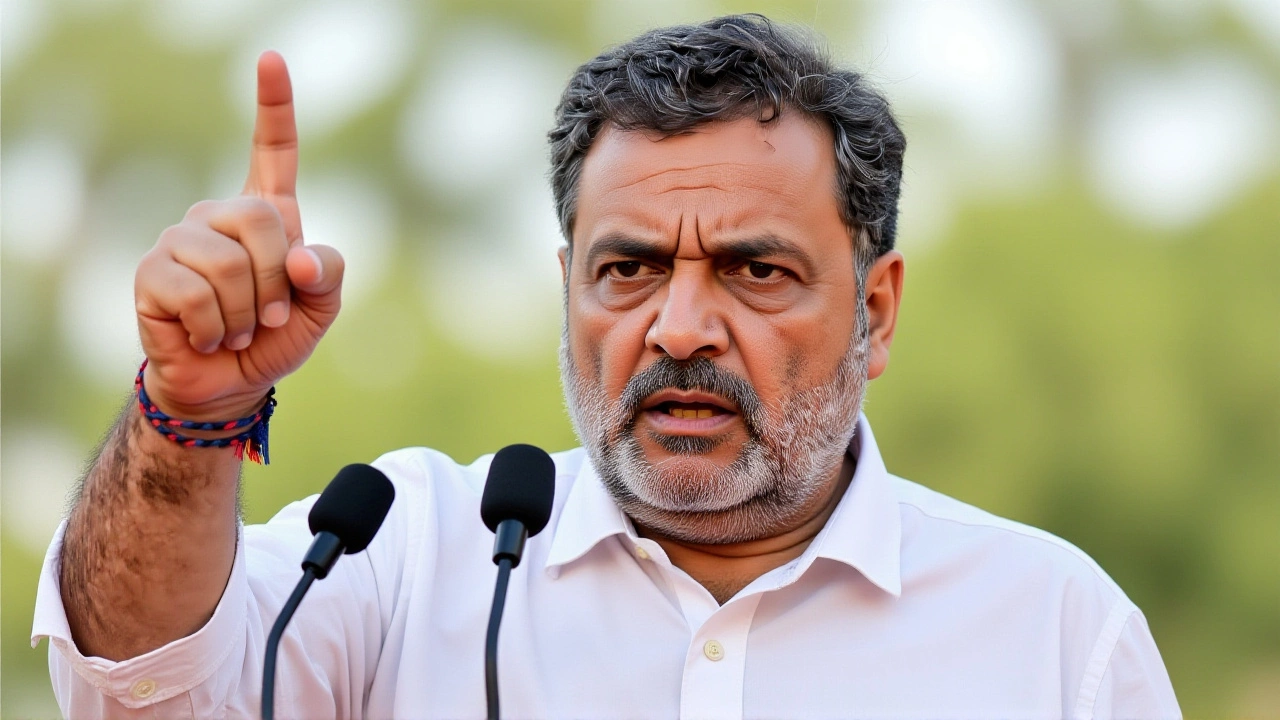
What’s Next for Madhya Pradesh?
With no immediate elections scheduled, this flare-up serves as a preview of future campaigns. Expect both parties to ramp up their messaging. The Congress will likely continue attacking the central government’s record, while the BJP will emphasize stability and development under its leadership.
Voters should watch for shifts in ground-level activities. Are parties focusing on rural outreach? Urban youth engagement? These actions matter more than Twitter spats. But until then, the war of words continues.
Background: The Rise of Usha Thakur
Usha Thakur has emerged as a formidable voice within the BJP in Madhya Pradesh. Known for her assertive style, she represents a new generation of female leaders challenging traditional hierarchies. Her rise mirrors broader trends in Indian politics where women are taking on prominent roles in state governments.
Gandhi, meanwhile, remains a polarizing figure. His ability to mobilize large crowds contrasts with criticisms that his strategies lack coherence. The “cockroach” remark fits into a pattern of provocative statements designed to provoke reactions—and get headlines.
Frequently Asked Questions
What did Rahul Gandhi mean by ‘cockroach party’?
Rahul Gandhi used the term metaphorically to describe the resilience of his political opponents, suggesting they persist despite setbacks. However, critics interpret it as derogatory, implying infestation or undesirability. The phrase sparked widespread debate due to its potentially offensive connotations.
Who is Usha Thakur and why is her response significant?
Usha Thakur is a minister in the Madhya Pradesh government and a senior leader of the Bharatiya Janata Party (BJP). Her response is significant because she effectively countered Gandhi’s claims using cultural idioms, dismissing his predictions as unrealistic while accusing the Congress of harming democracy. As a woman leader in a male-dominated field, her assertiveness draws considerable attention.
Did Rahul Gandhi really say PM Modi will be removed in one year?
Yes, reports indicate that Rahul Gandhi claimed Prime Minister Narendra Modi could be ousted from office within a year. This statement was widely criticized as overly ambitious and disconnected from current political realities. Usha Thakur specifically targeted this claim, calling it a fantasy akin to Mungerilal’s dreams.
How does this affect voters in Madhya Pradesh?
While the immediate impact is heightened political awareness, long-term effects depend on whether these debates translate into policy discussions. Voters may become fatigued by constant negativity if no concrete issues are addressed. However, for many, such clashes reinforce existing partisan loyalties, influencing voting behavior in future elections.
What is the significance of making these comments on Constitution Day?
Making accusations about undermining democracy on Constitution Day adds moral weight to the argument. It frames the opposing party not just as politically incorrect but as fundamentally opposed to national values. This timing is strategic, aiming to portray the accuser as a defender of constitutional principles.